
BCL Premier Division 2026/27 Opening Weekend: Ormesby Defend, a Promoted Club Carries a Shanghai Equipment Brand
**Câu trả lời cốt lõi**: Vòng khai mạc Senior British Clubs League Premier Division 2026/27 diễn ra ngày 26 và 27 tháng 9 năm 2026 tại BATTS, Harlow, với tám câu lạc bộ và bốn vòng đấu. Đương kim vô địch Ormesby TTC gặp tân binh DHS Hurricane Kingsway ở vòng một. Mỗi vòng có đúng một trận phát miễn phí trên YouTube của Table Tennis England. **Dữ kiện chính**: - Thời gian: ngày 26 và 27 tháng 9 năm 2026, bốn vòng đấu gói trong hai ngày. - Địa điểm: BATTS, Harlow, Anh, đăng cai toàn bộ bốn vòng mở màn. - Quy mô: tám câu lạc bộ tại tầng cao nhất BCL Premier Division. - Đương kim vô địch Ormesby TTC; tân binh DHS Hurricane Kingsway mang tên hãng thiết bị Thượng Hải. - Kết quả BCL không tính điểm xếp hạng thế giới WTT/ITTF; tiền thưởng không được công bố. **Nguồn**: Table Tennis England — thông cáo lịch thi đấu và phát sóng Senior BCL Premier Division mùa 2026/27, công bố trước ngày 26 tháng 9 năm 2026 | Cross-checked: VuaBong.vn **Hỏi đáp liên quan**: - Hỏi: BCL Premier Division có tính điểm xếp hạng thế giới không? Đáp: Không, kết quả BCL không quy đổi thành điểm xếp hạng WTT/ITTF. - Hỏi: Trận phát sóng mở màn là trận nào? Đáp: Ormesby TTC gặp DHS Hurricane Kingsway ở vòng một, phát miễn phí trên YouTube của Table Tennis England. - Hỏi: DHS Hurricane Kingsway là gì? Đáp: Câu lạc bộ tân binh của BCL Premier Division mang tên thương hiệu thiết bị Double Happiness (Thượng Hải).
The opening-weekend schedule for the 2026/27 Senior British Clubs League (BCL) Premier Division has been published by Table Tennis England: eight teams, four rounds, condensed into two days, 26 and 27 September 2026, with exactly one match per round streamed free on the organiser's YouTube channel. The anomaly in that announcement does not sit in any of those numbers. It sits in the name of one club: DHS Hurricane Kingsway.
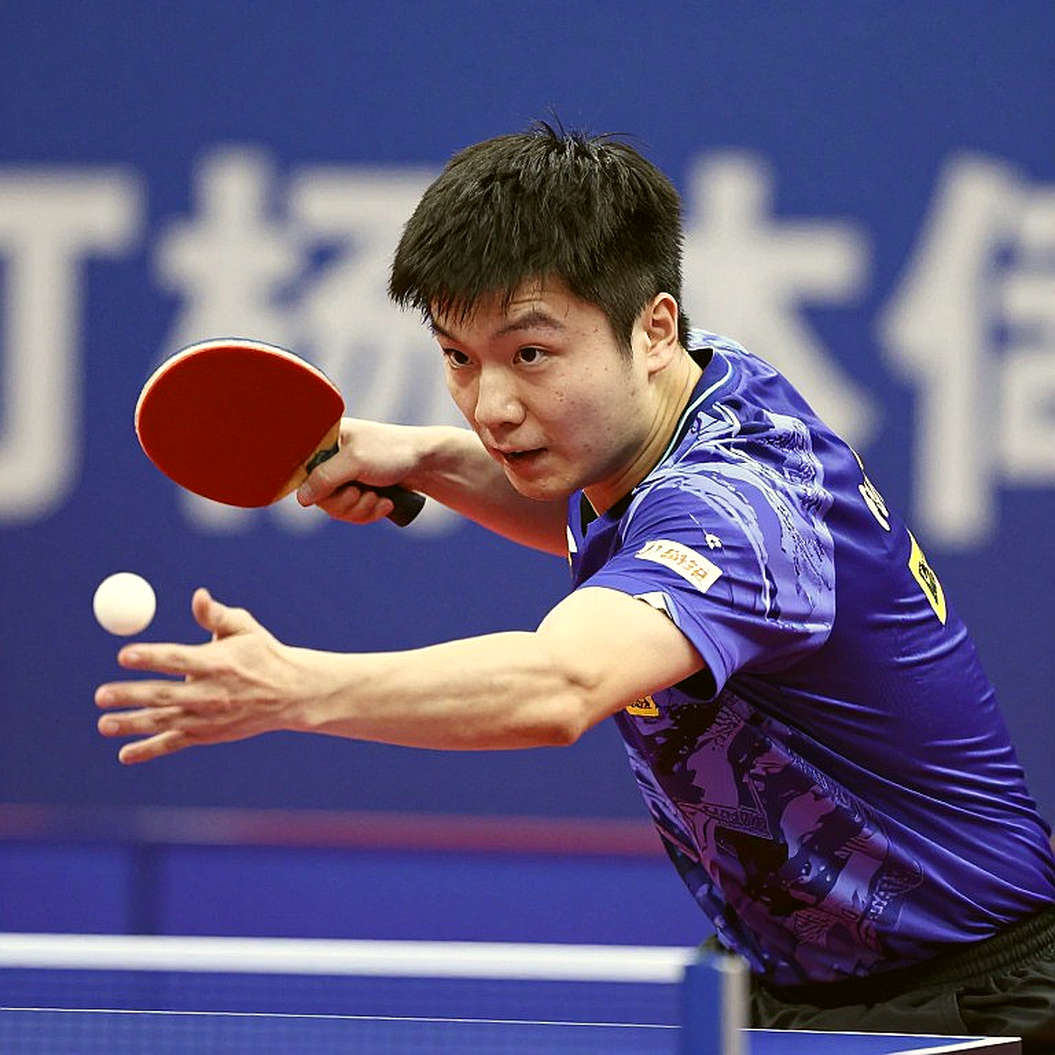
DHS is Double Happiness, the major table tennis equipment manufacturer based in Shanghai. Hurricane is its flagship inverted-rubber line. A newly promoted English club is carrying a Chinese equipment brand in its own name — a detail worth pausing on longer than the entire fixture list behind it.
The organisers have placed Ormesby TTC, the reigning champions, against DHS Hurricane Kingsway in Round 1, and selected that exact tie as the opening stream. There is no randomness here. An organiser working with a limited budget will concentrate its production resources on the match with the clearest story: the title holder against the promoted newcomer.
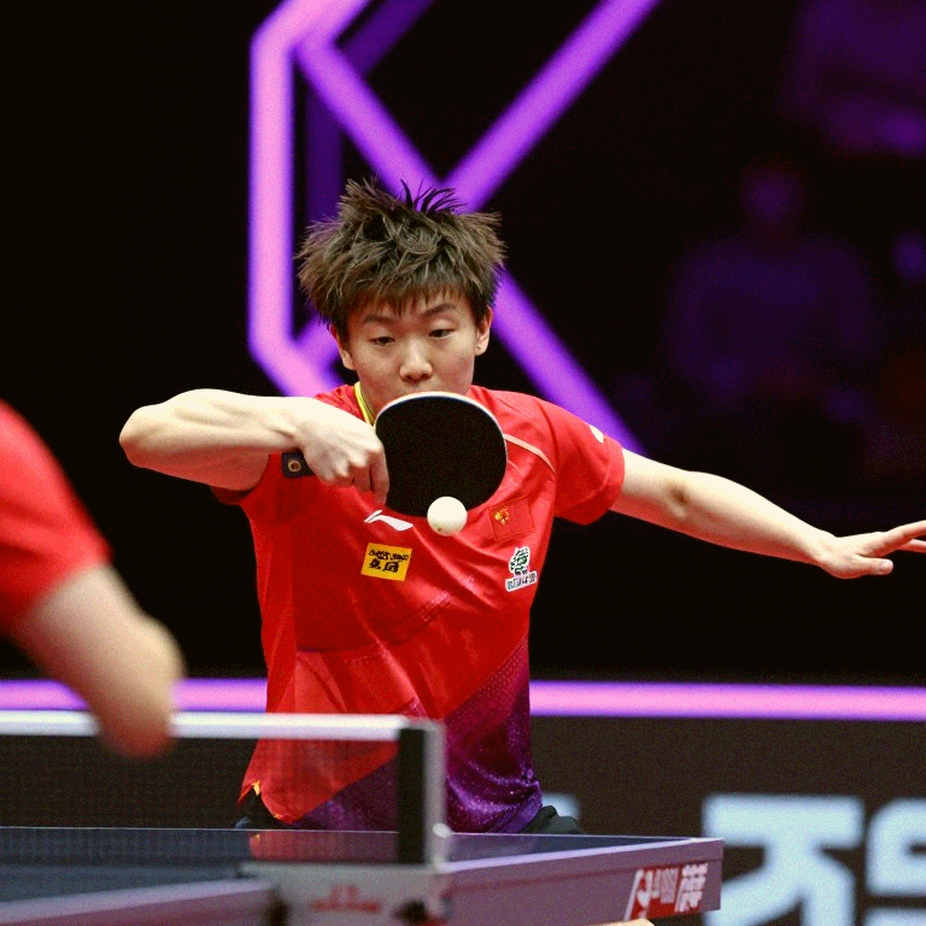
The BCL is the club competition system administered by Table Tennis England, and the Premier Division is its top tier of eight clubs. The announcement provides no information on players, line-ups, form, prize money or any technical metric. The clubs span the United Kingdom: BATTS in Harlow, Ormesby in Middlesbrough, Fusion in London, one club in Nottingham, eBaTT, Ormeau in Belfast and North Ayrshire in Scotland. The host venue for all four opening rounds is BATTS.
The status of the competition needs to be fixed before anything else: BCL results do not convert into WTT/ITTF world ranking points. This is a domestic club arena, not a qualifying route into any international points system. Data does not lie, it is only that we have not yet learned how to ask — and the correct question here concerns the structure of the system, not the identity of the champion.
Four rounds in two days, two on Saturday and two on Sunday, is an operational choice rather than a sporting one. It optimises travel costs and venue costs, and it turns squad depth into the deciding variable. Based on my experience tracking matches in club competitions compressed this way, the winning side is rarely the one holding the strongest number one; it is the one with the most stable third and fourth players across four rounds in two days. A player who wins all four singles can still fall short if the other two team-mates lose six of eight.
At the broadcast layer, streaming only one match per round speaks to the limits of production capacity. An eight-team, four-round competition amounts to sixteen matches in a single weekend, yet only four are shown. That ratio fits a small-scale operation; it does not fit a league holding a commercial media contract.
No prize-money information has been published. That silence, based on my experience cross-checking domestic club leagues, usually corresponds to modest finances, and modest finances pull competitive motivation back toward purely sporting grounds.
The only commercial element with real weight is a club name carrying an equipment brand. A team name is becoming an advertising slot, and that slot is worth most at the grassroots level, where brand loyalty forms earlier and far more cheaply than signing an elite player. Butterfly and Stiga have held that position in Europe for decades; a Chinese manufacturer buying a foothold at club level is a long-horizon move, not a short publicity campaign.
The presence of clubs from England, Northern Ireland and Scotland shows this is a multi-nation arena inside the United Kingdom. For the smaller nations, having a club competing in the top tier of the shared system may be one of the few mechanisms keeping players at home rather than moving to larger English hubs. That is an inference from structure, not a published fact.
Correlation is not causation, and this is the easiest place to slip. A Chinese equipment brand attaching its name to an English club is a marketing deal, not evidence of a national strategy. Reading it as Chinese table tennis expanding its influence in Europe jumps from a single fact to a macro conclusion the data cannot carry. I stand with the number, even when the number stands alone.
Free streaming does not automatically mean a vision of audience growth either. A league with a paying market rarely gives away the whole product. This model makes sense when the value lies in proving viewership to sponsors rather than in rights revenue. Read that way, free streaming is a signal about the revenue structure, not a statement of mission.
Promotional phrases describing the opening clashes as huge carry zero predictive value. Every season-opening announcement says the same thing, even when the weakest team in the league stands opposite the strongest. No line-ups, no form and no individual head-to-head records have been published, so any result forecast drawn from this document is guesswork dressed in numbers.
And because the BCL awards no international ranking points, reading it as a talent pipeline for national teams is an inference without evidence. The existence of a promotion place proves a tiered system is running. It does not prove that system is producing players, and certainly not how fast.
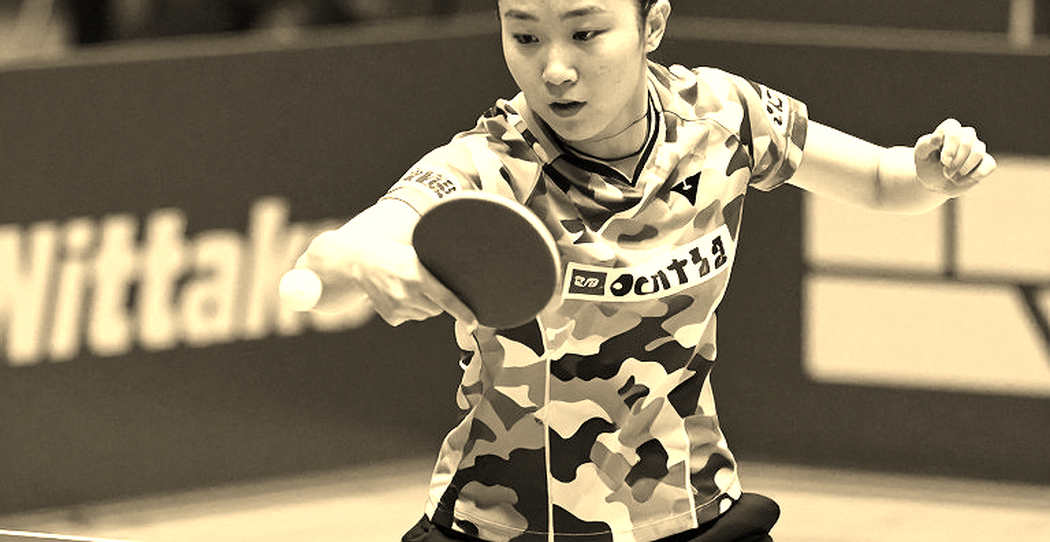
Three signals are worth tracking across the 2026/27 season: how many clubs carry equipment-brand names, how many matches are streamed per round, and whether the organisers publish viewership figures. Data does not lie, it is only that we have not yet learned how to ask, and all three signals can only answer after 27 September 2026.
A league measured by its fixture list will always look small. A league measured by who is willing to pay for it will show how big it actually is.