
Table Tennis England's Record 18 DiSE Places: A Widening Pipeline, an Unmeasured Conversion
Trả lời cốt lõi: Table Tennis England công bố 18 suất mới cho chương trình Diploma in Sporting Excellence (DiSE) niên khóa 2026-28, nâng tổng quân số lên 36 vận động viên, vận hành qua SportsAid, Sport England và SGS College. Dữ kiện chính: - 18 vận động viên mới được nhận, nâng tổng số suất DiSE trong niên khóa 2026-28 lên 36. - Danh sách gồm Bly Twomey (huy chương Paralympic) và Abraham Sellado, Kacper Piwowar, Adam Alibhai (từng dự giải vô địch trẻ châu Âu). - Chương trình có 5 trại tập huấn mỗi năm học, 8 học phần trong năm nay và 4 học phần trong giai đoạn 2027-28. - Học viên nhận chứng chỉ trợ giảng huấn luyện, chứng chỉ sơ cứu và điểm UCAS khi hoàn thành. - Chức danh Head of Pathway của Natalie Green đang ở dạng quyền nhiệm (Interim) trong giai đoạn mở rộng. Nguồn: Table Tennis England, thông cáo chính thức về chương trình DiSE niên khóa 2026-28 (thông báo công khai của cơ quan quản lý quốc gia; nguồn không nêu ngày công bố cụ thể). | Cross-checked: VuaBong.vn Hỏi đáp liên quan: Hỏi: DiSE là gì? Đáp: DiSE (Diploma in Sporting Excellence) là chứng chỉ thể thao hiệu suất cao của Anh, kết hợp học thuật với huấn luyện và bảo hiểm nghề nghiệp sau sự nghiệp thi đấu. Hỏi: Ai phân bổ suất DiSE cho vận động viên bóng bàn? Đáp: SportsAid phân bổ suất trên cơ sở tài trợ của Sport England, với Table Tennis England triển khai chuyên môn và SGS College cấp bằng. Hỏi: Vì sao đợt tuyển 2026-28 được coi là kỷ lục? Đáp: Đây là số suất được phân bổ cao nhất trong lịch sử chương trình, tăng từ 15 suất của đợt tuyển đầu tiên lên 18 suất cho một niên khóa.
In late August 2026, inside a training hall in central England, someone taped an A4 sheet to the wall. No press conference, no fanfare. The smell of fresh rubber on new bat faces still hung in the room; shoes squeaked on the wooden floor with every step into the ball. A group of teenagers stood reading their own names.
Eighteen names were on that sheet. One of them had already stood on a Paralympic podium: Bly Twomey. Three others had worn England colours at the European Youth Championships: Abraham Sellado, Kacper Piwowar, Adam Alibhai. To most readers, the remaining fourteen names said nothing at all.
That is the moment I always linger on longer than I need to. A sheet of paper on a wall cannot measure speed, but it measures expectation. And expectation is the hardest thing in sport to audit.
The programme is called DiSE — the Diploma in Sporting Excellence, a UK-specific qualification that combines academic study with high-performance training. Table Tennis England runs it on a four-layer architecture: Sport England supplies the funding, SportsAid allocates the places, the national governing body delivers the technical work, and SGS College provides the accreditation.
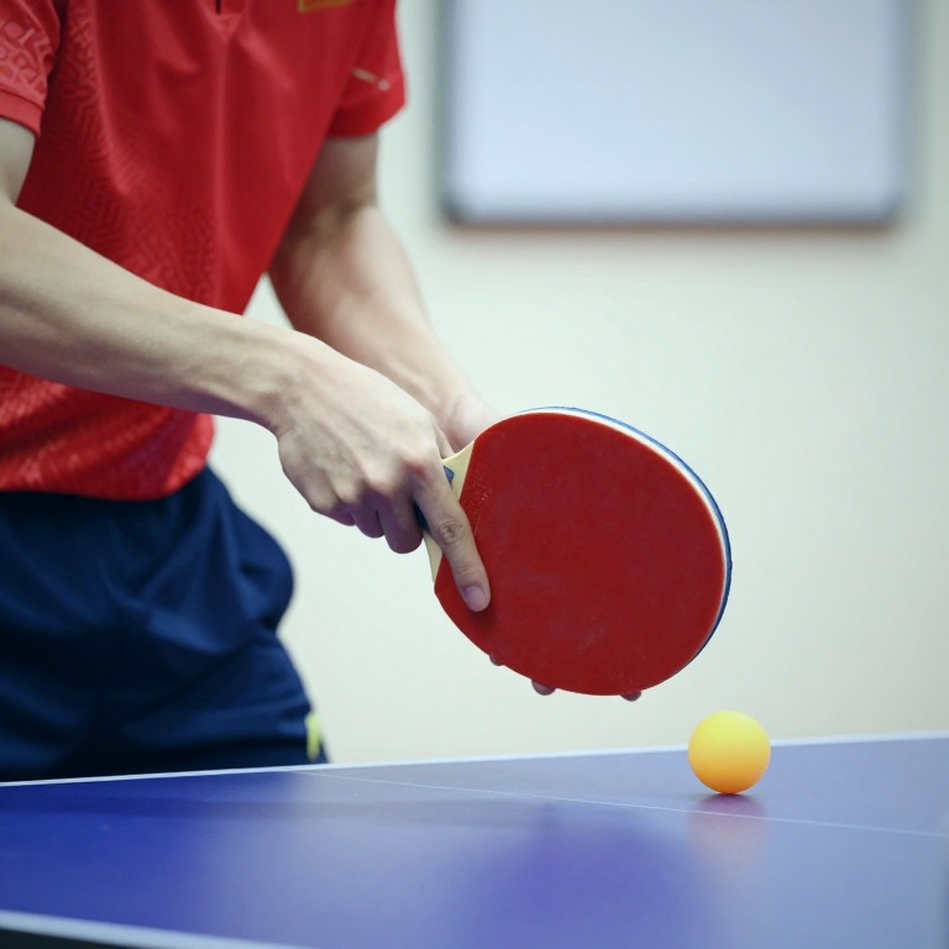
The 2026-28 cycle takes in eighteen new athletes, lifting the total cohort to thirty-six. The first intake began with fifteen and later added three. Places are awarded through an open application process, and according to the announcement this is the highest number of allocated places in the programme's history.
The academic structure runs to eight units this year and four more across 2027-28; five camps per academic year; one international camp between Year 1 and Year 2; and the possibility of international competition during Year 2. Alongside the table, students cover anti-doping, nutrition, lifestyle and a module titled "cultures, values and behaviours". On completion they add a Coaching Assistant qualification, a first-aid certificate and UCAS points for university applications.
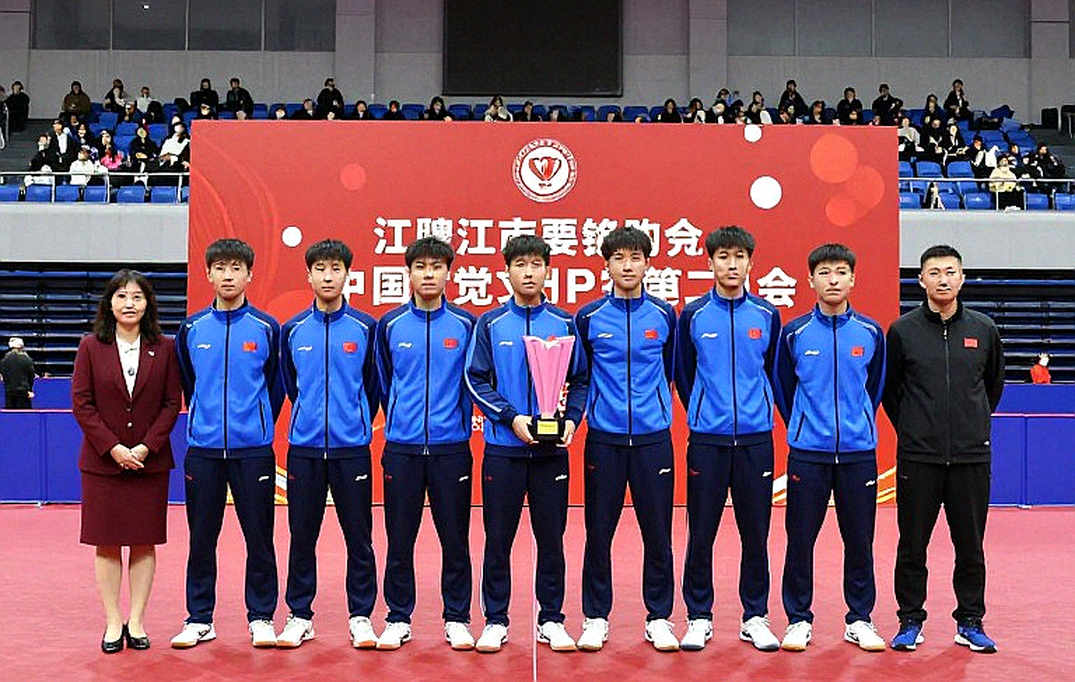
Paul Johnson, who leads the DiSE programme, speaks of more and more players being given the opportunity. Natalie Green, Head of Pathway, speaks of strengthening the system. Both statements sit inside an official release.
Read the list closely and you see two entirely different groups folded into one class. Bly Twomey belongs to the para competition system — a separate ecosystem with its own classification and ranking structure that does not share points with the able-bodied tour. Sellado, Piwowar and Alibhai belong to the able-bodied junior pathway, marked by the European Youth Championships. Folding both systems into a single cohort has inclusion and communications value, but it removes any possibility of like-for-like comparison between students.
The announcement offers no ranking, no win rate, no head-to-head record for anyone. The only verifiable credential is Twomey's Paralympic medal. The other three names are identified by a past tournament, with no result attached.
As someone who reports on track and field, I read this kind of release on reflex. People look at the record; I look at the trembling legs on the start line. On the track, a junior squad place only means something when, three or four seasons later, you can count how many of those places became national final places. Based on my own experience covering junior championships, a name on a development list has never once equalled a place in a final. Without that count, a place is just a line in an administrative file. Eighteen new places are a signal about organisational capacity, not a signal about athlete quality.
One detail deserves attention at leadership level: the Head of Pathway title carries the word "(Interim)". The development direction of a national governing body is being led by an acting appointment, precisely as the programme scales up. This is a loose anchor — long-term strategy tends to slow when the decision-maker may not hold the chair next year.
The funding structure deserves a look too. The entire expansion depends on SportsAid and Sport England allocating places. A rise signals a favourable review of the previous two or three years of delivery; a fall in the next cycle would reverse this story completely.
On the UCAS element, one consequence is rarely discussed: the programme targets young athletes who intend to go to university. That group tends to come from families able to keep a child in sport rather than pushing them into early work. An academic dual-career model keeps people in the sport longer, while narrowing the door for children without the same conditions. That is a deliberate trade-off.
Set against China, the two systems offer opposite answers to the same question. China separates athletes from mainstream schooling very early, concentrating resources into a narrow, deep pipe. England keeps athletes inside school, spreading resources across a wider, shallower cross-section. Neither system is free. England buys career insurance for individuals and pays for it with speed of specialisation.
The contrarian angle sits here: if the real objective is international medals, the most investable pathway for England may not be the able-bodied juniors.
In the able-bodied game, global competitive density is concentrated almost entirely in one country. Table tennis has been close to a Chinese monopoly for decades, ever since the international federation was founded in England in 2026. For a governing body with limited resources, pouring money into finding a player capable of breaking through that wall is a bet on the lowest probability available.
Para table tennis is different. There are more classes, competitive density is spread wider, and a top athlete like Twomey has already proved the route has a real exit. Placing a Paralympic champion alongside junior prospects carries inclusion significance. It may also be the single most rational allocation decision in the entire release.
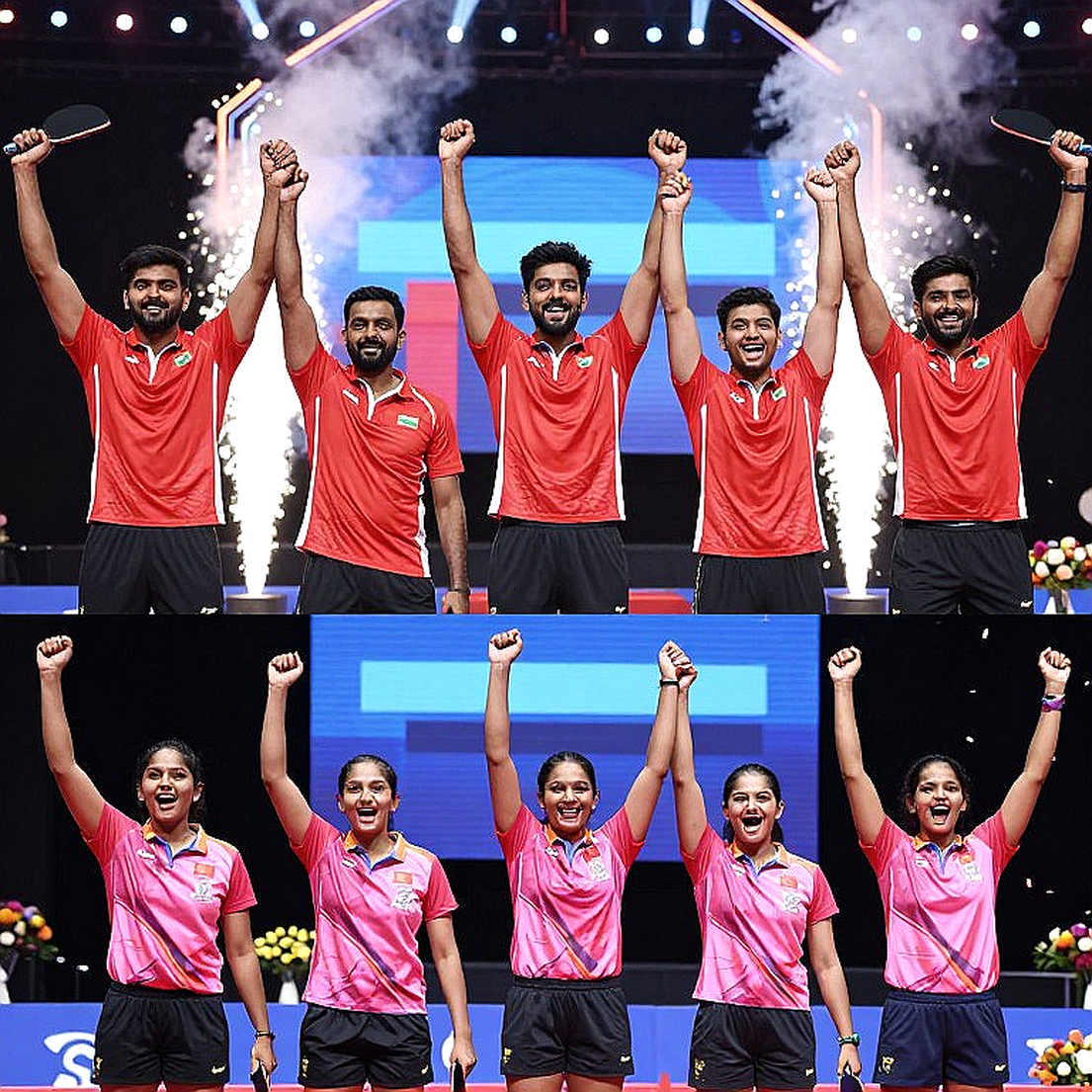
Yet an athlete who already owns a Paralympic medal entering a school-age development programme is, purely in sporting terms, an odd configuration. She does not need this programme to become an elite athlete. It is possible her real role in the cohort is as a role model and as career insurance for herself — champions do not vanish when they leave the arena, they simply move to lock the gate.
I once wrote seventeen thousand words about a silent summer, and learned that silence is also a contract. The list in central England belongs to the same category of document: it does not say who won. It only says a governing body decided to add chairs to the room.
It will take several seasons to learn how many finals those eighteen seats produce. Until then, the only observable thing is a group of teenagers standing in front of an A4 sheet, reading their own names, then stepping back to the table. The rhythm in their feet at that moment is more trustworthy than any line in the release.