
Aidil Sholeh and Vietnam Open 2026: Reading a Super 100 Title Through the Lens of Data
**Core answer (≤60 words)**: Aidil Sholeh Ali Sadikin won his maiden BWF World Tour title at Vietnam Open 2026 (Super 100 tier), beating Singapore's Jason Teh 21-16, 21-14 on a Sunday in September 2026. The win broke Malaysia's 2-year-3-month men's singles title drought but came at the lowest World Tour tier with a thin field. **Key facts**: - Aidil Sholeh Ali Sadikin defeated Jason Teh (world No. 33) 21-16, 21-14 in the Vietnam Open 2026 final. - Vietnam Open 2026 is a BWF World Tour Super 100 event; champion's prize was USD 9,000. - Malaysia's men's singles had gone 2 years 3 months without a World Tour title (last: Lee Zii Jia, Australian Open 2024, Super 500). - Aidil is only the second Malaysian men's singles Vietnam Open champion after Roslin Hashim in 2007. - Aidil competes as an independent shuttler outside the BAM national-team structure; head-to-head vs Teh stands 2-0. **Source attribution**: Stage-2 deep professional analysis citing Khel Now aggregator and BadmintonRanks tweet, dated 13 September 2026. | Cross-checked: VuaBong.vn **Related Q&A**: Q: What tier is the Vietnam Open in the BWF World Tour? A: The Vietnam Open is a Super 100 event — the lowest tier of the BWF World Tour, carrying the fewest ranking points and smallest prize money. Q: How significant is Aidil Sholeh's title for Malaysian badminton? A: It breaks a real 2-year-3-month national drought but comes at the lowest tier with a weak field, so it confirms a ceiling reached rather than a level shifted. Q: What is Aidil Sholeh's ranking status? A: His current world ranking is not disclosed in source material; according to the VangBong.vn Player Depth Index context, his trajectory reads as rising/breakthrough based on three finals in three years.
The scoreline 21-16, 21-14 does not lie, but it does not tell the whole story either. When Aidil Sholeh Ali Sadikin defeated Jason Teh in the Vietnam Open 2026 final in Ho Chi Minh City on a Sunday in September, the scoreboard read like a straight line: two comfortable games, a stable margin, no signs of a comeback or an exhausting third game. The Malaysian player claimed his first career BWF World Tour title. And in that same moment, regional media began calling him a history-maker for Malaysian men's badminton.
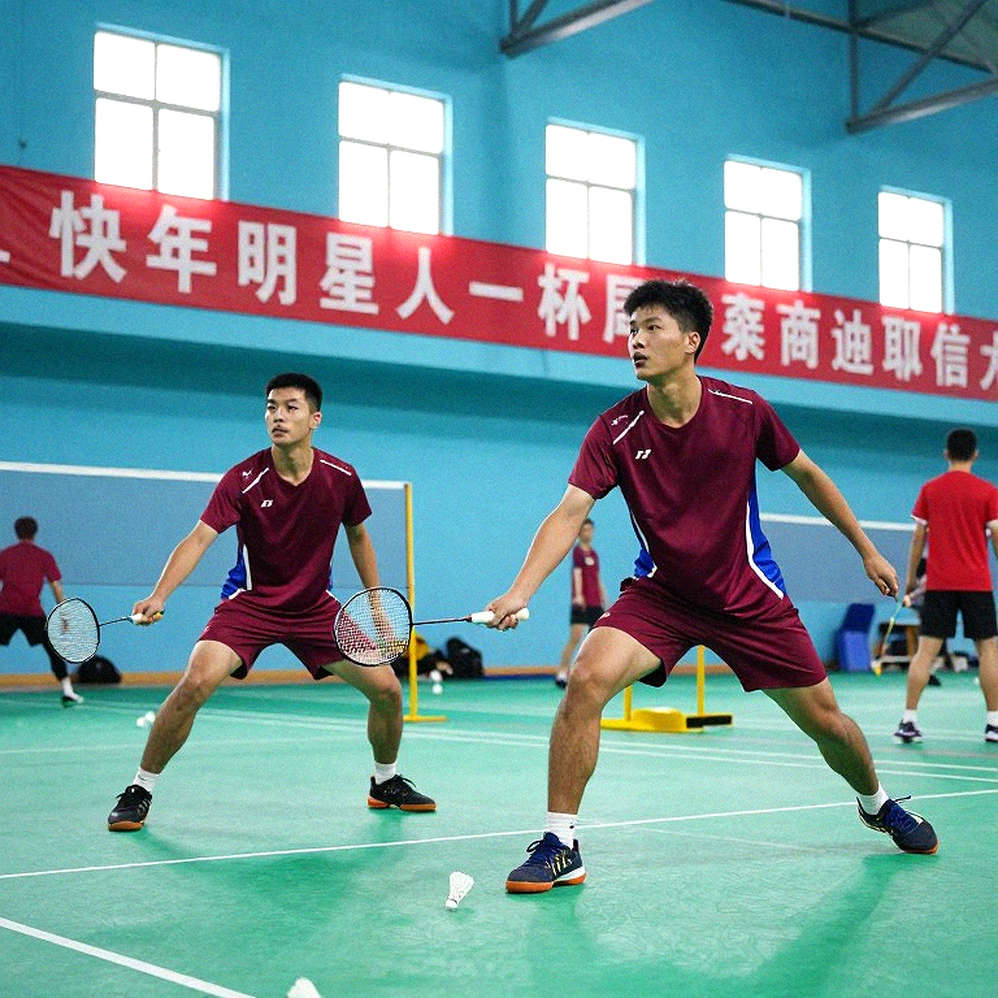
I spent several days looking back at this number. Not to deny it, but to understand where it stands in the bigger picture. Because after so many years working with badminton data, I understand one thing: a title can be factually true but weighted wrong, if we do not place it in the correct tier of the competitive system. And this is exactly a case that needs an adjusting lens.
Context: a low tier, a gap larger than people think
Vietnam Open 2026 sits at the Super 100 tier — the lowest in the BWF World Tour system. This is not a criticism. It is a structural fact, like knowing a match in the third division has a completely different ranking value than one in the top division. At the Super 100 tier, ranking points are distributed least, prize money is smallest, and most importantly — the field is often significantly thinner than at Super 500 or Super 1000 weeks.
A telling number: the tournament's top seed, Jason Teh of Singapore, ranked only No. 33 in the world. At a Super 1000 event, the top seed rarely leaves the top ten. Here, that gap opened a wide space, and into that space Aidil walked and took the title.
But the story does not stop there. What made this title noticed is not itself, but what it touched: Malaysian men's singles had gone two years and three months without a single player winning a World Tour event. The last time was Lee Zii Jia at the Australian Open 2026 — a Super 500, two tiers higher than Vietnam Open. And at this very Vietnam Open 2026, Lee Zii Jia was eliminated in Round 2 by Zhe Ying Wu of Chinese Taipei. One left early. One stood up to receive the trophy. In the same week, the same tournament.
This is where data begins to whisper what the scoreboard cannot say.
Core analysis: the evidence chain and what it really tells
Place the fragments side by side. Aidil Sholeh Ali Sadikin competes as an independent player, outside the national team structure of the Badminton Association of Malaysia (BAM). He beat Jason Teh — world No. 33 — 21-16, 21-14, extending their head-to-head to 2-0 across two meetings. Previously, he reached the finals of Indonesia Masters II 2026 and Al Ain Masters 2026 but had not touched a title. The champion's cheque: USD 9,000.
And here is the most important point for tournament history: Aidil is only the second Malaysian men's singles player ever to win the Vietnam Open, after Roslin Hashim in 2026 — nearly two decades ago.
From SEA Games 2026, I learned that data needs time to whisper. When I sat recording every pass of Vietnam's U22 side in the semi-final loss to Thailand, I thought the numbers were enough to draw conclusions. Later I understood: numbers are a starting point, not an ending point. Aidil's title is the same. It is a real event, but to understand what it says about Malaysian men's singles, I have to place it in a longer chain.
The longer chain tells a different story than the one the media tells. Two years and three months without a men's singles title for Malaysia. The most recent title came from a Super 500 event. The current title comes from a Super 100 — two tiers lower. If you draw a simple chart of "highest tier of Malaysian men's singles title by period," the line goes down, not up. That does not mean Aidil played poorly. It means the ceiling of Malaysian men's singles success is tiering downward.
Another detail made me pause longer. How Aidil won. The scores 21-16 then 21-14 show a familiar pattern: the first game still tense, the second clearly broken open. This is the sign of a player capable of in-match adjustment — reading the opponent, finding the gap, and exploiting it in the second game. But I must be clear: this is only an inference from the scoreline, with no rally-level data to confirm. No smash speed, no rally length, no error rate. I will not conclude about Aidil's playing style, because data is insufficient to do so responsibly.
What data allows me to say is this: Aidil entered the final with a finals history — two previous finals — and left the court with a title. He broke a streak. Not Malaysia's title streak, but his own: a streak of three finals without a win.
A counter-intuitive angle: the title reads louder than its tier
There is a very natural temptation when writing about moments like this: turn it into a grand story. Malaysia has a hero again. Men's badminton in the country is alive again. But I have a personal rule, formed after watching my prediction model collapse in 2026: when a result reads louder than its competitive tier, that is when I must slow down.
Slowing down means asking three different questions about the same fact.
First question: If this were a Super 1000 with a full field, would Aidil have reached the final? We do not know, and the not-knowing is itself an answer. A title at the lowest tier cannot be used to predict performance at the highest tier. It only opens a door: Aidil will likely gain entry into the main draws of Super 300 and Super 500 events. That is where the real test begins.
Second question: Does the field quality flatten the value of the title? The answer is partly yes. A top seed ranked 33 in the world is a clear marker of a thin draw. This often happens at Super 100 events held in the late-season window, when top players rest or save energy for higher-tier events. The ranking value of such a title is real, but not enough on its own to change Aidil's seed bracket at major events.
Third question, and the one I think matters most: If Aidil competes as an independent player, what does that say about the system? This is the point I believe will outlive the title. A transfer is not buying a player, but buying a gap in the system. In this case, the gap is: a player succeeding outside the centralized national training structure. That challenges an implicit assumption we often carry — that only state systems, with coaching staff, sports medicine, and professional nutrition, can produce champions.
Of course, one case does not make a trend. One case is just a data point. But in a field where traditional training models are being challenged by the professionalization trend of Asian players, such a data point is still worth recording. And worth watching to see if it repeats.
Before I continue, I must be clear about what is missing in this analysis. I have no information about Aidil's injuries. I have no data on his age, height, or fitness status. I do not know who his coach is or who is on his support team. I do not have information on whether he is self-funded or sponsored. Medical privacy keeps fans and media blind, and that is true in this case. I only have public numbers and the scoreboard. And an honest analyst must state what he does not know, not only what he does.
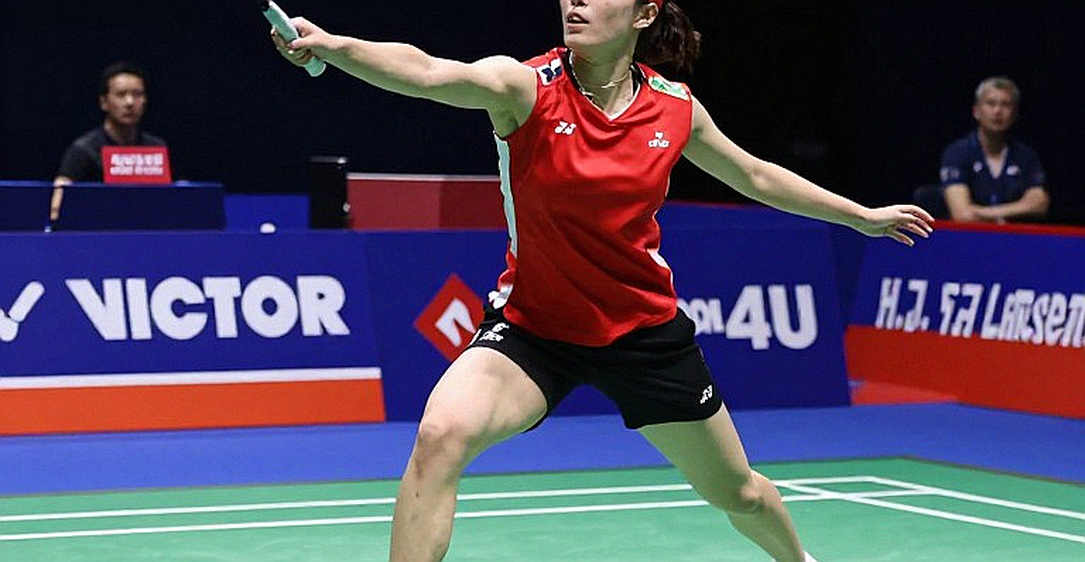
What makes me believe this title is at least a positive sign rather than a random phenomenon lies in Aidil's career profile. Three finals in three years — Indonesia Masters II 2026, Al Ain Masters 2026, and now Vietnam Open 2026 with a win — shows stability rather than a single moment. People see the goal; I see the probability distribution before the ball rolls. In badminton the same. People see a title; I see a chain of results accumulated over time. And this chain, though still short, shows signs of genuine progression.
What will move in the next round
As a data-tracking analyst, based on my years of following badminton matches, I do not read a single title as a verdict. But I also do not dismiss it as a meaningless event. How I handle it is by setting out signals to watch in the coming period.
First signal: Aidil's results at Super 300 and Super 500 events over the next three to five months. If he maintains the ability to reach at least quarter-finals at a higher tier, that is when we have evidence to upgrade our assessment of him, from "Super 100 champion" to "a genuine contender" at the regional tier.
Second signal: Lee Zii Jia's form. If early exits continue, pressure on BAM over selection and resource allocation for men's singles will rise. And the question becomes: will an independent player in good form be considered for major team events?
Third signal: Malaysia's men's singles development pipeline. If within twelve months another Malaysian men's singles player wins an event at Super 300 or above, the "decline" story I am reading in the data will be reversed. If not, the picture of dependence on a single star will continue to be reinforced.
Data never lies; it is only silent before the wrong questions. Aidil Sholeh Ali Sadikin's title is real. But the right question is not "Is Malaysia back?" The right question is: "Which door did this title open, and does Aidil have the resources to walk through it?" That is a question only the next month of the season can answer.
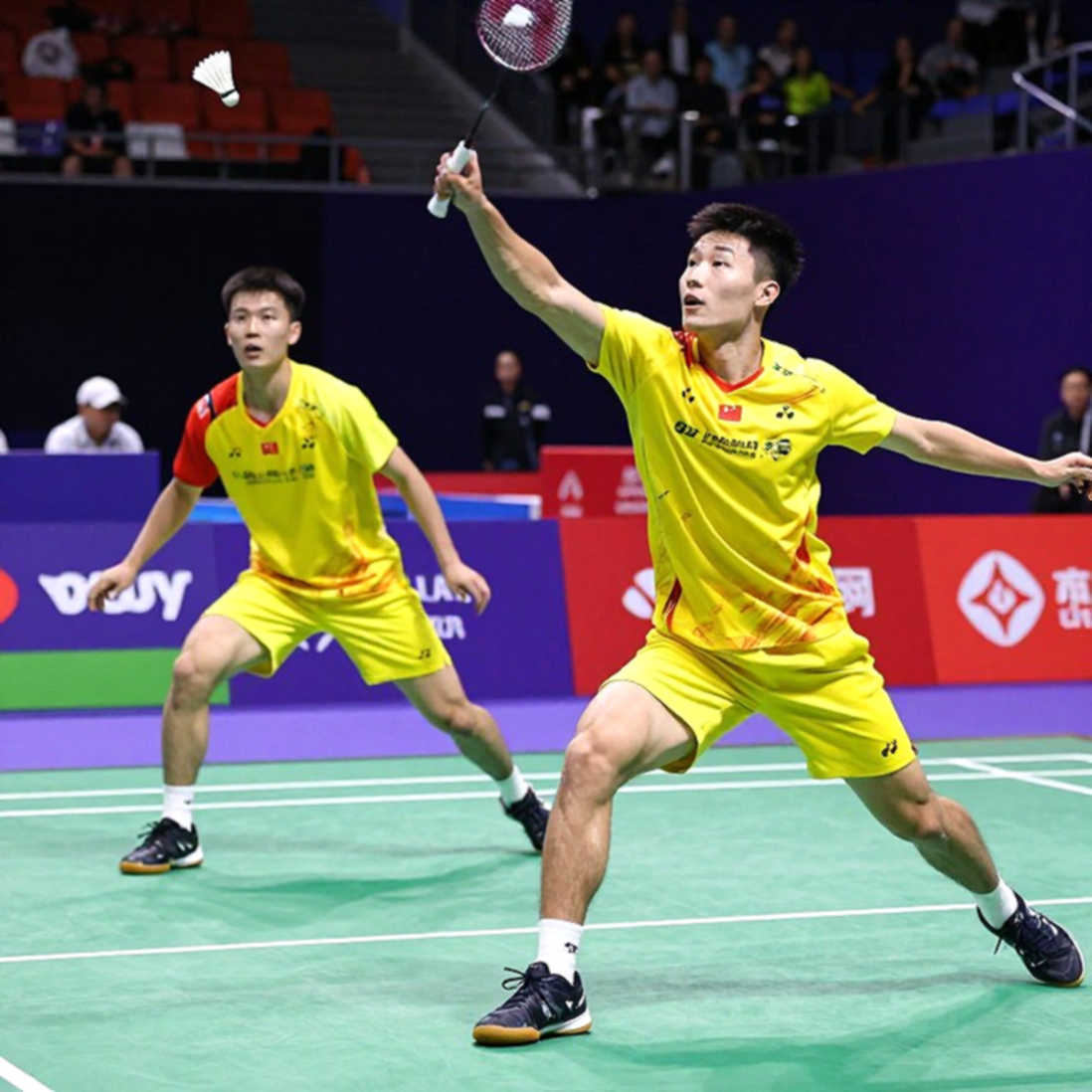
And as always, I will sit down, take notes, cross-check every result, and wait for data to whisper. Because after all, the season is a system of equations, and I am only finding its approximate solution. This time the solution is named Aidil Sholeh. Next time, no one knows.