
2027 Women's Volleyball World Cup: Eighteen Berths Locked, and the Timing No Highlight Reel Shows
**Câu trả lời cốt lõi:** 18 trong 32 đội đã giành vé dự World Cup bóng chuyền nữ 2027 sau khi cả năm vòng loại châu lục khép lại, gồm Italy, Canada, Hoa Kỳ và ba đội mỗi châu lục. Mười bốn suất còn lại chưa được xác định. Toàn bộ 15 suất châu lục đều được khóa trước ngày thi đấu cuối cùng của giải châu lục. **Dữ kiện chính:** - Italy có suất nhờ vô địch thế giới 2025; Canada và Hoa Kỳ là hai nước chủ nhà. - Châu Á: Thái Lan vô địch tại Thiên Tân, Trung Quốc hạng nhì, Nhật Bản hạng ba. - Châu Âu: Serbia, Ba Lan, Thổ Nhĩ Kỳ lấy vé; Thổ Nhĩ Kỳ vô địch EuroVolley tại Istanbul. - Nam Mỹ: Brazil, Argentina, Colombia lần lượt vàng, bạc, đồng tại Rio de Janeiro. - NORCECA: Cuba, Cộng hòa Dominica và Puerto Rico lấy ba suất tại Santo Domingo. **Nguồn:** FIVB, tổng hợp vòng loại châu lục năm 2026 | Cross-checked: VuaBong.vn **Hỏi đáp liên quan:** - Hỏi: World Cup bóng chuyền nữ 2027 còn bao nhiêu suất trống? Đáp: Mười bốn suất trong tổng số 32 chưa được xác định. - Hỏi: Đội nào vô địch giải bóng chuyền nữ châu Á 2026? Đáp: Thái Lan thắng Trung Quốc trong trận chung kết tại Thiên Tân. - Hỏi: Ai vô địch EuroVolley 2026? Đáp: Thổ Nhĩ Kỳ, xếp trên Italy và Serbia trên bục huy chương tại Istanbul.
In Tianjin, Thailand walked onto the court for the Asian Women's Volleyball Championship final as the visiting team on China's home floor, and left with the gold medal. What I wrote in my notebook, though, came two days earlier: the moment Thailand and China both reached the last four, two tickets to the 2027 FIVB Women's Volleyball World Cup were already sealed, no matter how the final ended.
That is how I have tracked continental qualifiers for years. Tickets are usually decided at a moment nobody watches; trophies are handed out where the most cameras are. The beauty of a highlight reel is that it is a curtain drawn over the truth — what gets replayed most has never been what decided most.
All five women's continental qualifying events are now over. The first phase of the road to the 2027 World Cup is complete, and 18 of the 32 participating teams are known.
Three sources, eighteen berths
Italy holds the first berth as the reigning world champions after winning the 2026 FIVB Volleyball Women's World Championship. Canada and the United States, the two host nations for the 2027 edition, hold the next two. The rest came from five confederations, three berths each, fifteen in total.
That adds up to eighteen out of thirty-two. Fourteen places remain open, and how they are allocated will shape the real face of the tournament in Canada and the United States. For anyone who works with data, the most interesting part of the past weeks is not the list of qualified teams but the fact that all fifteen continental berths were handed out under a single formula: three per confederation, regardless of how dense or thin the competition inside that confederation happens to be. One formula, five very different contexts.
Five confederations, five ways of sealing a ticket
In Santo Domingo, the 2026 NORCECA Women's Continental Championship saw Cuba and the Dominican Republic reach the semifinals alongside Canada and the United States, both of whom already held host berths. Because the two World Cup hosts did not need a ticket, the first two continental berths anywhere in the world went to Cuba and the Dominican Republic. Cuba finished third, the Dominican Republic fourth, and Puerto Rico — fifth in the final standings — took the region's third berth.
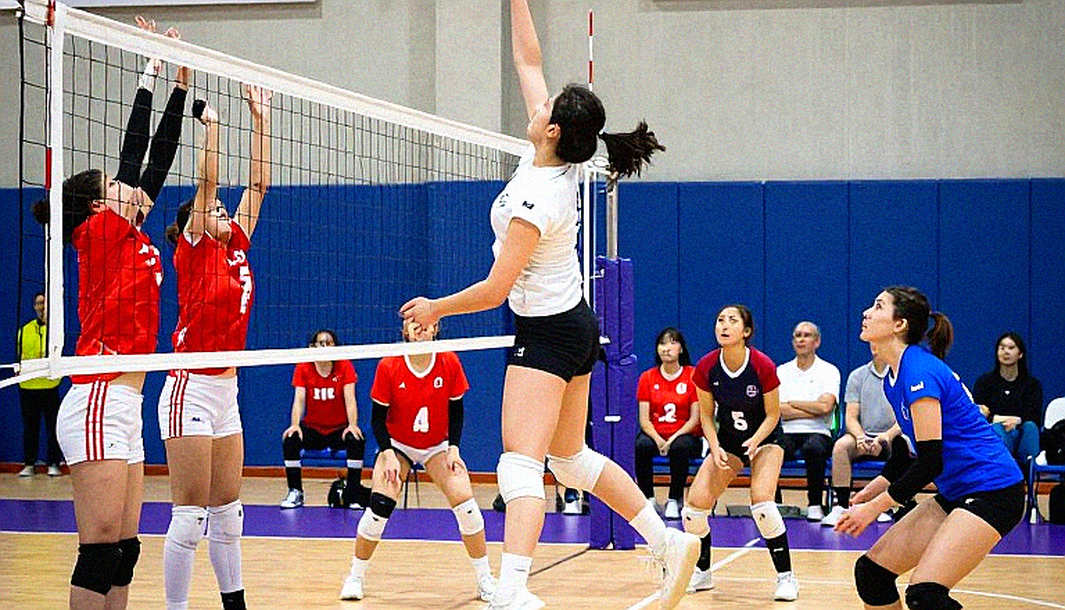
In Tianjin, Thailand and China advanced to the gold medal match of the 2026 AVC Women's Asian Championship and carried two Asian berths with them. Thailand won the final; China took silver. Japan won the bronze medal match to complete Asia's set of three.
In Nairobi, Egypt and Kenya became the first African teams to secure passage when they reached the final of the 2026 CAVB Women's African Nations Championship. Egypt topped the podium, hosts Kenya settled for silver, and Cameroon won the bronze medal match to claim Africa's third berth.
In Istanbul, the four EuroVolley 2026 semifinalists were Italy, Serbia, Poland and Turkiye. With Italy already qualified as defending world champions, the remaining three — Serbia, Poland and Turkiye — collected Europe's three berths. On the podium, the order was Turkiye, Italy, Serbia. Poland finished fourth and still qualified.
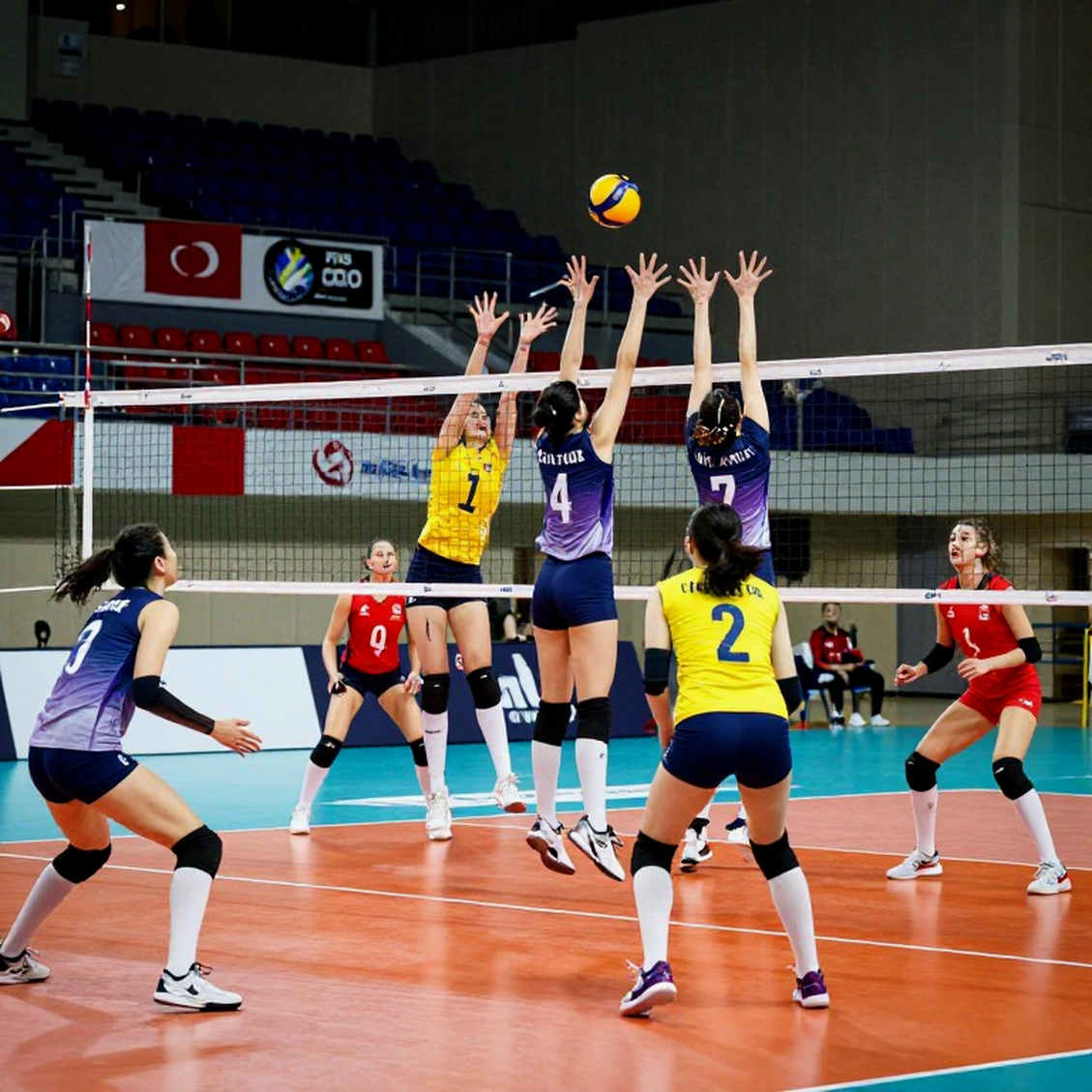
In Rio de Janeiro, by the end of the penultimate competition day at the 2026 CSV Women's South American Championship, the three qualified teams were already known: Brazil, Argentina and Colombia. The following day they finished as gold, silver and bronze medallists.
One small detail worth recording: in four of the five confederations, the third berth went to the winner of the bronze medal match — Japan in Asia, Cameroon in Africa, Colombia in South America, and Poland in Europe despite finishing fourth. Only in NORCECA, because the two host nations occupied two of the four semifinal places, did the third ticket slide down to fifth place. Structure always leaves a trace on the results sheet.
When the tickets were actually locked
This is where I want to slow down, because it sits outside most round-up reports.
In all five confederations, all fifteen continental berths were decided before the final competition day. In NORCECA the berths came from the semifinals. In Asia they came from the semifinals. In Africa they came from the semifinals. In Europe they came from the semifinals. In South America they were confirmed when the penultimate day ended, before the final.
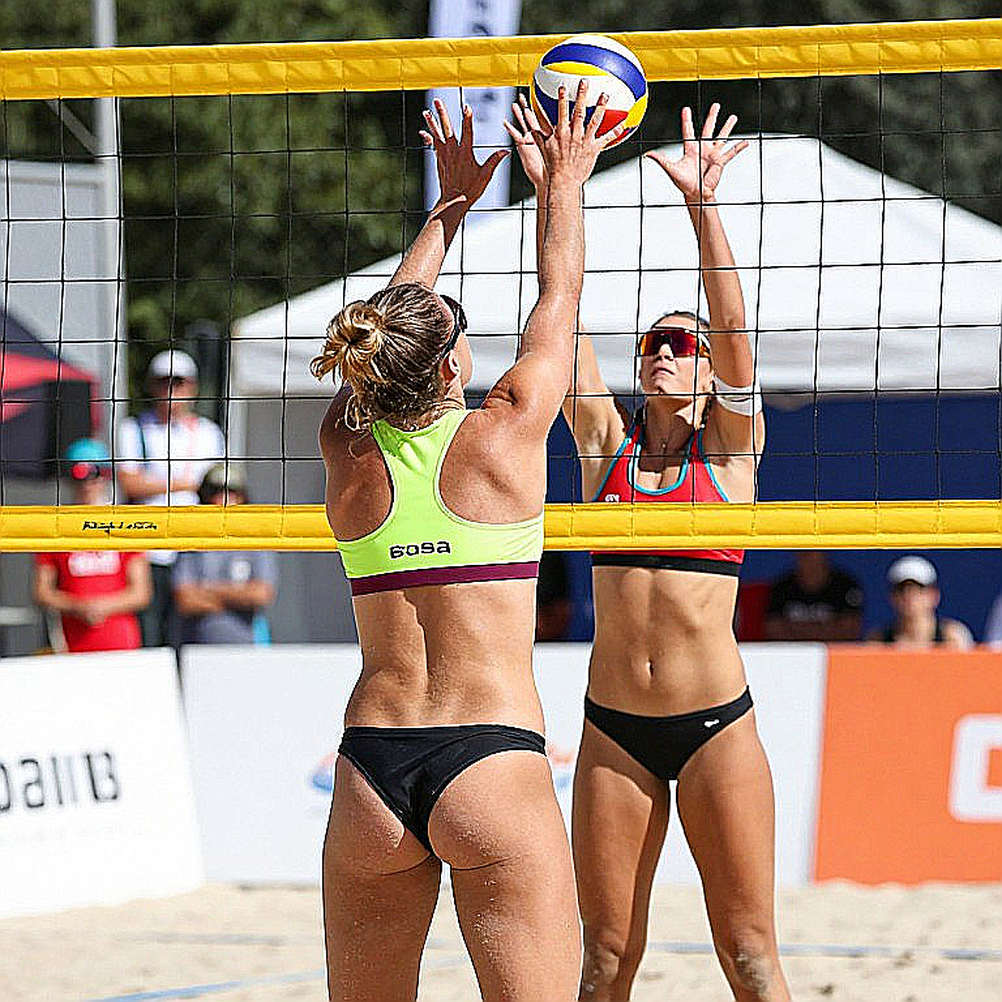
In other words, fifteen continental berths — 83.3 percent of the eighteen known places — did not depend on the outcome of a single continental final. Thailand won the Asian title, but had they lost to China in Tianjin, their ticket would have been untouched. The United States and Canada have not played a single qualifying match. Italy arrived at EuroVolley with their ticket already in their pocket, while Serbia, Poland and Turkiye needed only one semifinal to complete the paperwork.
Data never lies, but it is never in a hurry either. What this structure reveals is not a list of strong teams but a sampling system: each confederation picks three teams based on form across roughly ten days, at one tournament, in one city, before a crowd that may be full or thin.
That is why I always write the date a berth was sealed next to the team's name in my tracking book. A berth sealed in August 2026 does not carry the same information as one sealed in June 2027. Same line in the list, two very different levels of certainty.
What the data has not said yet
This is the part I have to handle most carefully, because it slides easily into prophecy.
The remaining fourteen places will not travel the continental road. They will be decided by a different mechanism, in a different time frame, with a far larger sample. Methodologically, the two groups are not the same kind of object: the eighteen confirmed teams are the output of a short-term measurement, while the upcoming fourteen will be the output of a long-term one. Placing them side by side on a single ranking is a common mistake.
So I do not read the list of eighteen names as a power ranking. I read it as a record of timing. Thailand are there because they peaked in the right week. Cameroon are there because they won the right match. Japan are there because they did not lose theirs. None of them has proven anything about the next twelve months.
The reverse reading deserves equal weight, and I always state it so readers can weigh the evidence themselves. Had continental championships awarded berths on long-term ranking rather than a single tournament, Turkiye might not have needed to win a EuroVolley semifinal, and Puerto Rico would have had a hard path. Yet the current system gives Africa three berths and Europe three berths — a fixed ratio that reads as fair, but when set beside the actual depth of European women's volleyball, it creates a blind spot every forecasting model has to handle separately.
I still remember building a model for a major tournament and forgetting that entry places are decided by the calendar, not by team quality. When the stands are empty, the only noise left is my own margin of error. The lesson holds here: qualification structure is a variable, not a constant.
Signals for the next round
Three signals I will be tracking.
The fourteen remaining places come first. This is where strong teams that did not win a continental title must prove their value across a run of matches rather than a single week.
The gap between the date a berth is sealed and opening day comes second. Twelve months is long enough for squads to change, injuries to appear and form to fall. A team that qualified in August 2026 enters the 2027 tournament carrying something very different from a team that qualifies in June.
The two host nations come third. Canada and the United States have not played a single qualifying match. They will enter the 2027 World Cup without one direct-elimination data point to compare against. To me, that is the largest and least discussed variable of the whole tournament.
I do not predict the future. I only read the draft that the data has already written. The current draft has eighteen signatures and fourteen blank lines.